About my approach
I don't approach my work, or neurodivergence, in a typical way.
Most language for categorizing neurodivergent experience is created by (neurotypical) people looking-in. They describe what they observe, measure what diverges from the norm, and offer strategies for managing the gap.
My work begins somewhere different... by learning to look and navigate from within, as (neuro)cultural beings.
I primarily use the concept of culture (as defined by intercultural communication theory) and pragmatics (as defined by sociolinguistics) as organizing principles for neurodivergent experiences.
I also integrate fiction (sci-fi, fantasy, punk, futurist, and magical realism), imagination work, and other unconventional tools to bring to life the unique way I've learned to make sense of the neurodivergent experience and of our right to be different.
Core beliefs
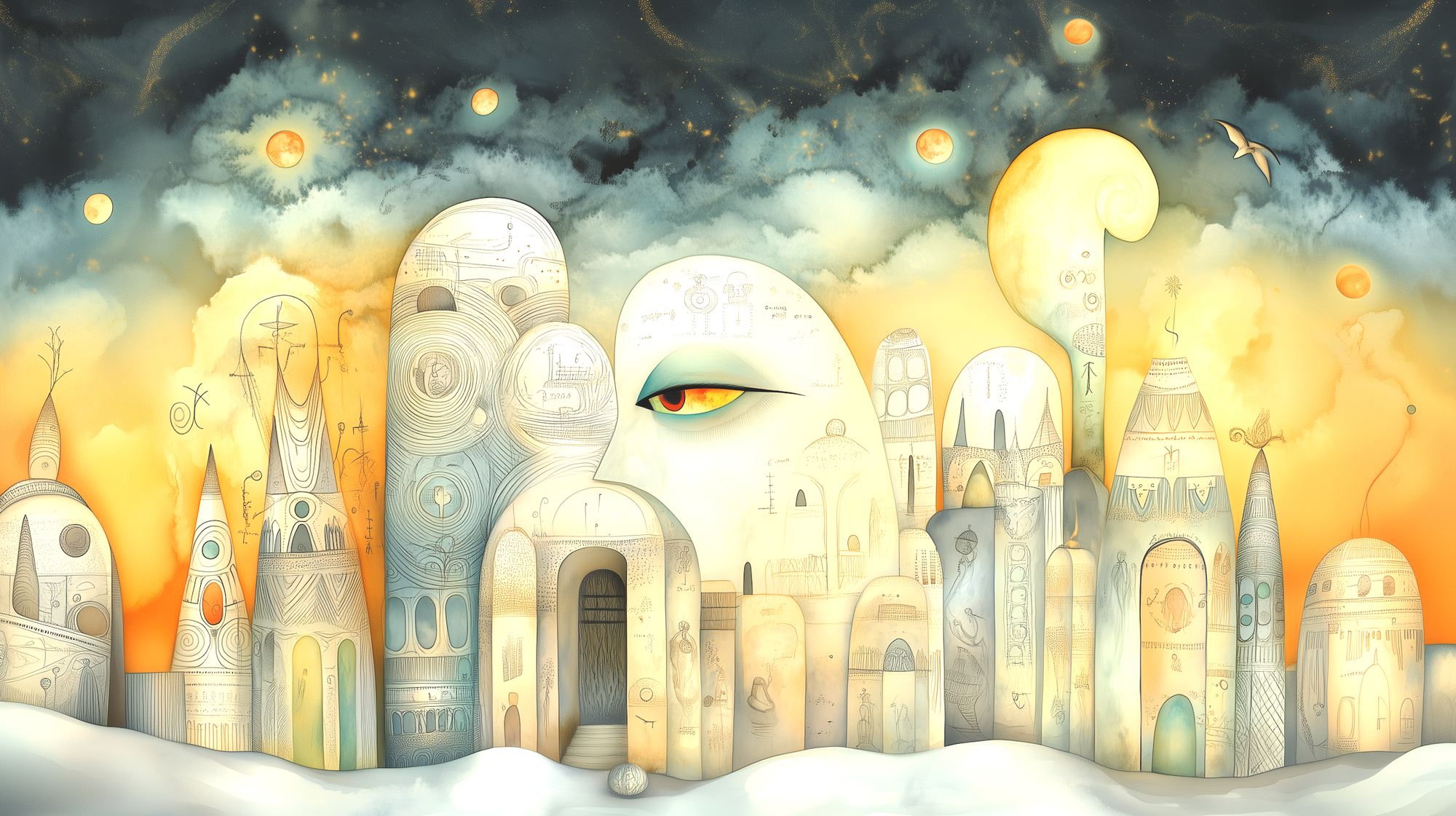
When we integrate our neurodivergence using intercultural communication tools, we create a vibrant internal home for our neurodivergent selves that helps us navigate the world with integrity, instead of exhaustion.
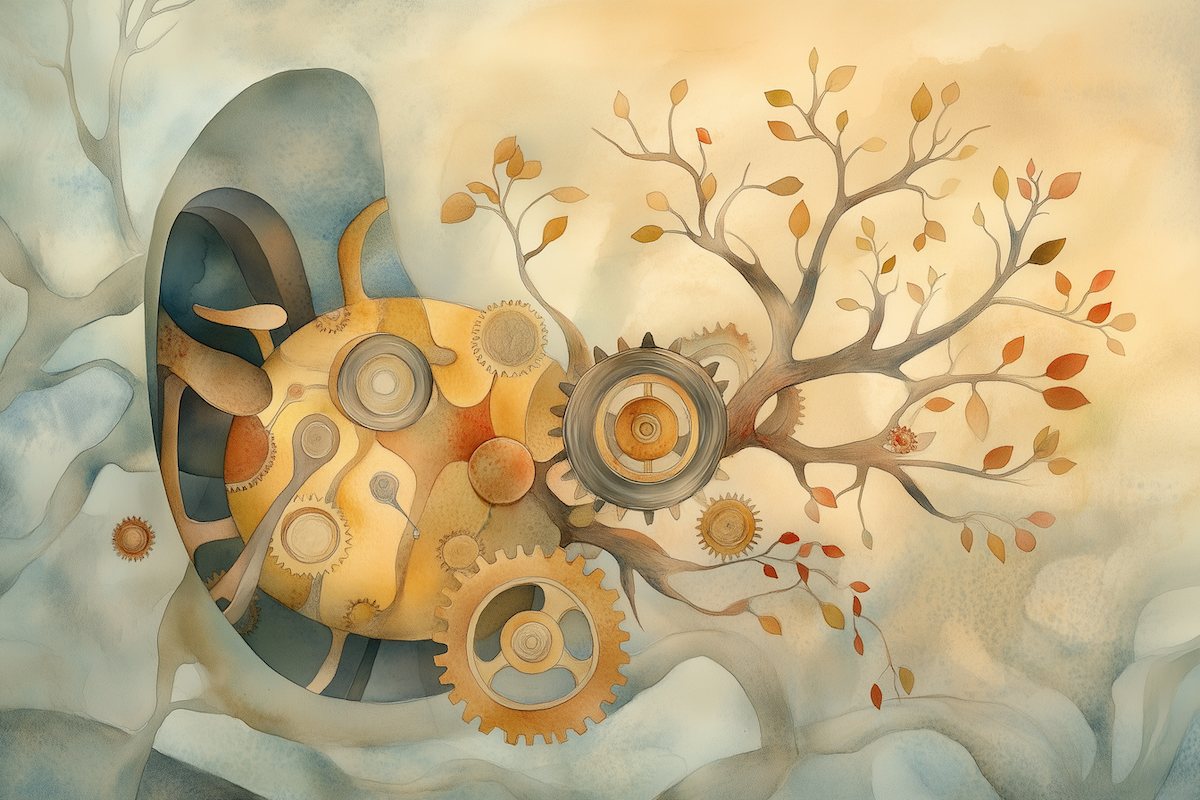
Inside the 'bubble' of a communication event, neurodivergence functions, first and foremost, as a culture (not a deficit or disorder). In other words, neurodivergent communication is intercultural communication.
Central themes of my work
⑴ Neurocultural work
The medical model has aspects that can be helpful (as well as harmful) for neurodivergent people. That said, it can't be where we anchor our sense of neurodivergence; it can't be where our identity lives.
Here, we explore and create a vibrant home for our-self, OUTSIDE the medical model, as a culture.
⑵ Communication Sovereignty
We have the right to be different, even (and especially) in communication, and there are ways to do this skillfully.
That's how we'll approach communication here- as a collaborative exercise in meaning-making where masking becomes secondary to a much larger and much more effective set of communication strategies.
⑶ Neurofuturism
Imagining different futures can inform (and transform) our present. It also expands and helps us reclaim our relationship with time.
In my work, neurofuturism isn't just a concept; it's an imagination practice, a liberatory discipline, and a path back to ourselves.
Values
I believe that the key to unlocking empowerment, calm, confidence, and sovereignty is about way more than information. My work prioritizes:
⑴ Imagination
Sci-fi, magical realism, futurist, and punk literature (and other media) are essential tools I use throughout my teaching as serious archives of possibility and enjoyable exercises that develop imagination as a skillset.
⑵ Creativity*
I use journaling techniques, creative prompts, and other activities that access creativity *without ANY artistic skill required. Just bring your curiosity and willingness to play.
⑶ Beauty & calm
We don't rush here, and we don't operate from scarcity or defense. Trickster energy, playfulness, and beauty are the keys I use to get very serious about deep personal transformation.
And above all else...
My work is a vehicle through which I question, clarify, and develop my own ideas about the world and my place in it, as a neurodivergent person. Neurocultural is my space for gentle inquiry, creative expression, and quiet community (via comments, email responses, and occasional live events).
I hope you'll join me by subscribing!